

How to Select the Perfect Portable Water Container for Survival
How do we choose the right type of portable water container for survival?


Factors to Consider When Choosing a Portable Water Container
When selecting a portable water container for survival, there are several factors that we need to take into consideration. These factors include size, material, durability, and ease of use. By carefully considering these factors, we can ensure that we have a reliable source of clean water in emergency situations.
Size
The size of the portable water container is a crucial factor to consider. We need to think about how much water we will need to store and how much we can comfortably carry. A container that is too large may be difficult to transport, while one that is too small may not hold enough water to meet our needs.
Material
Portable water containers are typically made from either plastic or metal. Plastic containers are lightweight, affordable, and easy to clean, but they may not be as durable as metal containers. Metal containers, on the other hand, are more robust and long-lasting, but they can be heavier and more expensive. We need to choose a material that strikes a balance between durability and portability.
Durability
Durability is another essential factor to consider when selecting a portable water container for survival. We need a container that can withstand rough handling and extreme conditions without springing leaks or breaking. Look for containers made from high-quality materials and with sturdy construction to ensure that they will hold up when we need them most.
Ease of Use
In emergency situations, we may not have time to fiddle with complicated water containers. That’s why it’s essential to choose a container that is easy to fill, easy to pour, and easy to clean. Look for containers with wide openings for filling and cleaning, secure lids or caps to prevent spills, and comfortable handles for carrying.

Types of Portable Water Containers
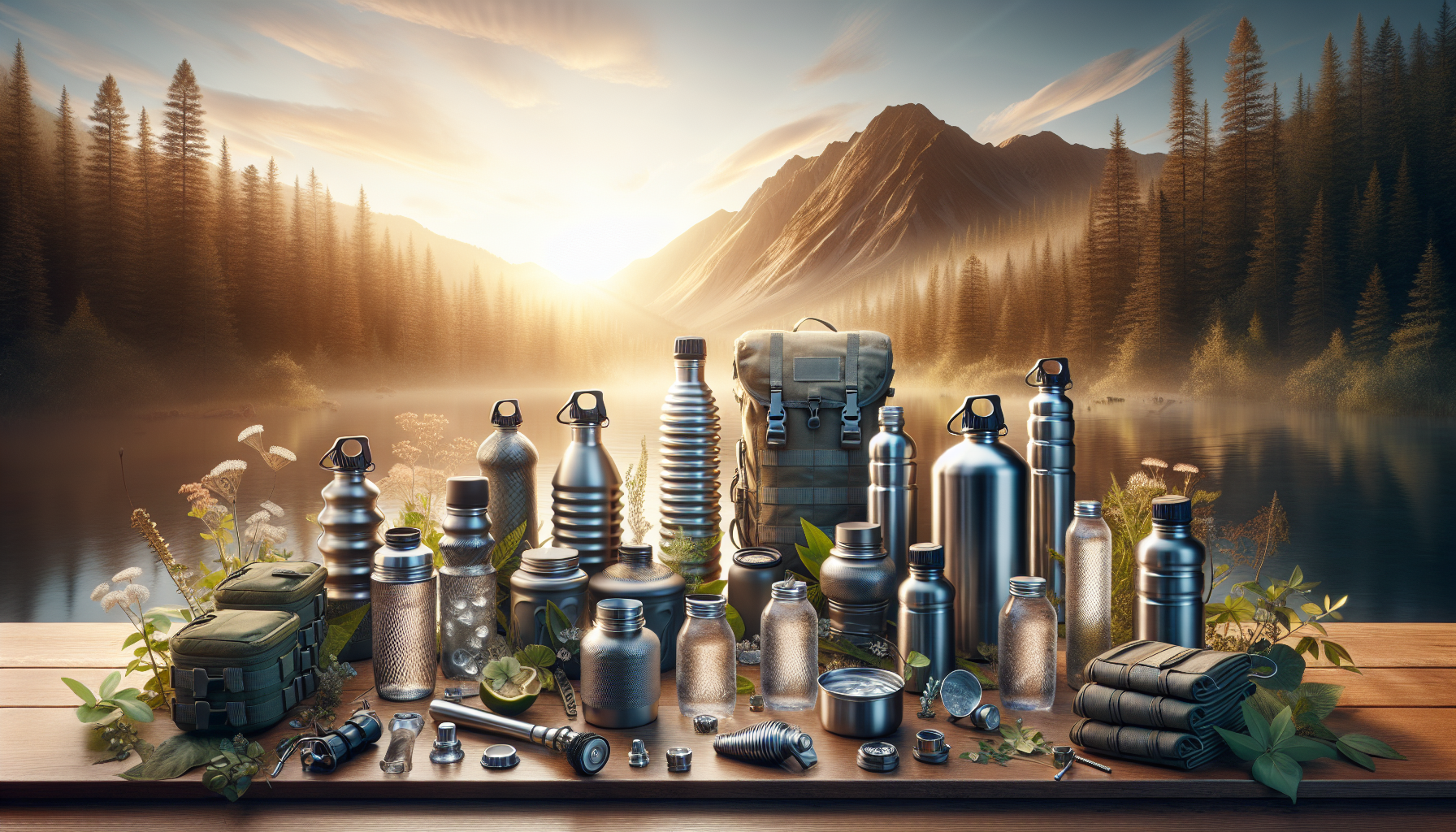
There are several types of portable water containers available on the market, each with its own advantages and disadvantages. Some of the most common types include collapsible water containers, jerry cans, hydration bladders, and stainless steel water bottles.
Collapsible Water Containers
Collapsible water containers are lightweight, compact, and easy to store when not in use. They are typically made from flexible materials like BPA-free plastic or silicone and can be folded or rolled up for convenient storage. Collapsible water containers are ideal for packing in emergency kits or bug-out bags, but they may not be as durable as rigid containers.
Jerry Cans
Jerry cans, also known as jerrycans, are sturdy containers typically made from plastic or metal and designed for transporting and storing liquids. They come in various sizes, from small jerry cans for personal use to large jerry cans for bulk water storage. Jerry cans are known for their durability and reliability, making them a popular choice for survivalists and outdoor enthusiasts.
Hydration Bladders
Hydration bladders are flexible reservoirs that are designed to be worn against the body or stored in a backpack. They typically have a drinking tube with a bite valve for easy access to water on the go. Hydration bladders are lightweight, versatile, and convenient for outdoor activities like hiking, camping, and biking. However, they may be more challenging to clean and less durable than other types of containers.
Stainless Steel Water Bottles
Stainless steel water bottles are a durable and eco-friendly alternative to plastic containers. They are easy to clean, resistant to stains and odors, and free from harmful chemicals like BPA. Stainless steel water bottles come in various sizes and styles, making them a versatile option for daily use or emergency preparedness. However, they may be heavier than other types of containers and may dent or scratch if dropped.

Tips for Maintaining and Cleaning Portable Water Containers
Proper maintenance and cleaning of portable water containers are essential to ensure that they remain safe and effective for storing water. Here are some tips to help us keep our water containers in top condition:
Regularly Inspect for Damage
Inspect our portable water containers regularly for signs of damage, such as cracks, leaks, or mold growth. If we notice any issues, replace or repair the container immediately to prevent contamination of our water supply.
Clean with Mild Soap and Water
Clean our water containers with mild soap and water after each use to remove dirt, bacteria, and other contaminants. Avoid using harsh chemicals or bleach, as they can leave residues that may be harmful when ingested.
Air Dry Thoroughly
After cleaning our water containers, be sure to air dry them thoroughly before storing them. Moisture left inside the container can promote the growth of mold and bacteria, leading to contamination of our water.
Use Baking Soda or Vinegar for Odor Removal
If our water container develops a funky odor, try rinsing it with a solution of baking soda and water or vinegar and water. These natural ingredients can help neutralize odors and leave our container smelling fresh.
Rotate Stock of Stored Water
If we store water in portable containers for emergency use, be sure to rotate our stock regularly to ensure that the water remains fresh and safe to drink. Use and refill stored water every six months to prevent the growth of bacteria and algae.
Conclusion
Selecting the perfect portable water container for survival is a crucial step in emergency preparedness. By considering factors like size, material, durability, and ease of use, we can choose a container that meets our needs and provides a reliable source of clean water in critical situations. Remember to maintain and clean our water containers regularly to ensure their longevity and safety. Whether we opt for collapsible water containers, jerry cans, hydration bladders, or stainless steel water bottles, having a portable water container on hand can make a significant difference in our ability to survive and thrive in challenging conditions.