

In times of survival situations where access to clean water may be scarce, a compact solar still can be a lifesaver. This innovative device utilizes the power of the sun to collect and purify water, providing a sustainable solution for emergency hydration. From desert expeditions to unexpected natural disasters, the compact solar still offers a practical and efficient method for obtaining safe drinking water when resources are limited. Let’s explore the benefits and functionality of this remarkable tool that could make all the difference in critical moments of need.

This image is property of images.unsplash.com.
Compact Solar Still For Emergency Water Collection
What is a compact solar still?
Definition and purpose of a compact solar still
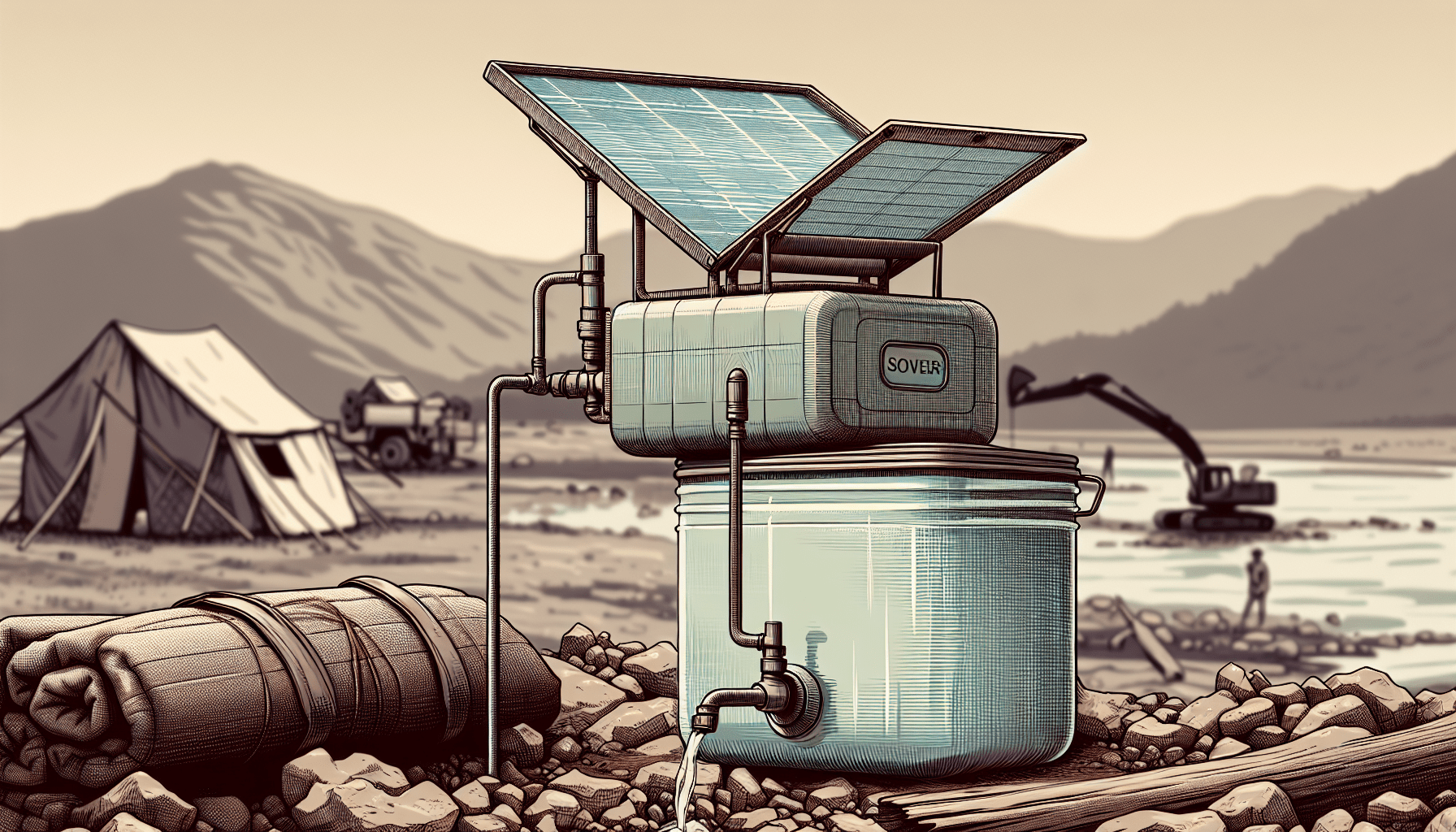
A compact solar still is a device that utilizes the power of the sun to collect and purify water, making it an ideal tool for emergency water collection in survival situations. It is designed to be portable and easy to use, providing a reliable source of safe drinking water when traditional water sources are not available.
The main purpose of a compact solar still is to provide a convenient and efficient way to access clean water in emergency situations. Whether you find yourself stranded in the wilderness, lost in the desert, or facing a natural disaster, a compact solar still can be a lifesaver.
How does a compact solar still work?
A compact solar still operates on the principle of evaporation and condensation. It consists of a sealed container with a small opening at the top, a collection basin, and a condensation surface. The process begins by filling the container with contaminated water.
When exposed to sunlight, the water inside the container heats up, causing it to evaporate. As the water vapor rises, it makes contact with the condensation surface, which is usually made of a material that promotes condensation, such as glass or plastic. The water vapor then condenses into liquid form and drips down into the collection basin, leaving behind impurities and contaminants.
The compact solar still effectively separates clean water from the contaminants, providing a source of safe drinking water. This process can be repeated as long as there is sunlight available, making it a sustainable solution in survival situations.
Advantages of using a compact solar still for emergency water collection
Portability and ease of use
One of the major advantages of a compact solar still is its portability. Most compact solar stills are designed to be lightweight and easy to carry, making them an excellent choice for emergency situations where mobility is essential. They can easily fit into a backpack or survival kit, ensuring that you have a reliable source of water wherever you go.
Additionally, compact solar stills are designed to be user-friendly. They often come with clear instructions and require minimal setup and maintenance. This makes them accessible to anyone, regardless of their level of survival skills or technical knowledge.
Efficiency in water collection
A compact solar still excels in efficiently collecting water from various sources. Whether you have access to a small water puddle, a stagnant pond, or even sea or ocean water, a compact solar still can effectively extract drinkable water from these sources. It eliminates the need for carrying heavy amounts of water, which can be impractical in survival scenarios.
Furthermore, a compact solar still can continue collecting water even when you are not actively involved in the process. As long as there is sunlight, the still will continue to function, allowing you to focus on other essential survival tasks.
Safety and reliability
In survival situations, the safety and reliability of the equipment you rely on are of utmost importance. Compact solar stills are designed to be safe and durable, ensuring that they can withstand harsh conditions and provide a reliable source of clean water when you need it most.
Unlike other water collection methods that may rely on filters or chemicals, a compact solar still requires no external components for purification. This eliminates the risk of running out of filtration materials or relying on potentially unreliable purification methods.

This image is property of images.unsplash.com.
Survival Situations Water Collection Solution
Selecting the right compact solar still for survival situations
Considerations in choosing a compact solar still
When selecting a compact solar still for survival situations, there are several factors to consider to ensure that you choose the right one for your needs.
Firstly, it is crucial to consider the capacity of the still. Evaluate your water needs in relation to the expected duration of the survival situation. This will help you determine the ideal size of the compact solar still that can meet your water requirements.
Another important consideration is the material and construction of the still. Look for a still that is made of durable materials that can withstand rough handling and exposure to the elements. Pay attention to the quality of the seals and connectors to ensure that the still maintains its integrity during use.
Additionally, it is worth considering the weight and compactness of the still. Opt for a model that is lightweight and easy to carry, especially if you anticipate being on the move during your survival situation.
Popular brands and models
There are several reputable brands and models that specialize in compact solar stills for emergency water collection. Some popular options include:
-
SolarBag: SolarBag is a well-known brand that offers portable solar stills capable of producing up to 3 liters of clean water per day. Their products are widely recognized for their efficiency and durability.
-
SunStill: SunStill is another reputable brand that offers compact solar stills with a focus on ease of use and portability. Their models are known for their quality construction and excellent water collection capabilities.
-
AquaDome: AquaDome manufactures compact solar stills that are designed to be user-friendly and efficient. Their models have received positive feedback for their reliability and ease of setup.
It is essential to research and read reviews to find the most suitable compact solar still for your specific survival needs.
Preparing the compact solar still for use
Setting up the solar still
Before using a compact solar still, it is important to familiarize yourself with the setup process. Each model may have specific instructions, so be sure to carefully read and follow the manufacturer’s recommendations.
Typically, the setup involves assembling the different components of the solar still, such as connecting the collection basin to the main container and placing the condensation surface in the designated position. Ensure that each part is securely attached to prevent any leaks or inefficiencies in the water collection process.
Proper placement and positioning
Proper placement and positioning of the compact solar still are crucial for maximizing water collection. To achieve optimal results, it is recommended to place the still in an area with direct sunlight, such as an open field or a rooftop. Avoid shaded areas or locations where the still may get blocked by tall objects or structures.
Furthermore, it is important to position the still at an angle that allows the condensation surface to have maximum exposure to the sun. This ensures that the water vapor condenses effectively into liquid form.

This image is property of images.unsplash.com.
Maximizing water collection with a compact solar still
Factors that affect water production
Several factors can impact the water production of a compact solar still. Understanding these factors allows you to make necessary adjustments to maximize water collection in survival situations.
Firstly, the amount of sunlight available is a significant factor. The more direct sunlight the still receives, the faster the evaporation and condensation process will occur, resulting in increased water production.
Secondly, the temperature also plays a role in the efficiency of the compact solar still. Higher temperatures can accelerate the evaporation process, leading to quicker water collection. Conversely, colder temperatures may slow down the process, requiring more time to accumulate a sufficient amount of water.
Finally, the humidity of the surrounding environment can affect the performance of the still. In areas with high humidity, the rate of evaporation may be slower, reducing water production. This factor is particularly relevant when using a compact solar still in coastal or tropical regions.
Tips for increasing water collection
To maximize water collection with a compact solar still, consider implementing the following tips:
-
Optimal placement: Ensure that the still is placed in an area with ample direct sunlight and minimal shade throughout the day.
-
Regular monitoring: Check the water level in the collection basin regularly to avoid overflow, which can result in water loss.
-
Maintain cleanliness: Keep the condensation surface clean and free of debris to maximize its effectiveness in condensing water vapor.
-
Enhance heat absorption: Place dark-colored objects or materials around the still to help absorb and retain heat, promoting faster evaporation.
-
Use reflectors: Consider using reflective materials or surfaces to direct additional sunlight onto the condensation surface, increasing water production.
These tips can significantly boost the water collection capabilities of a compact solar still, ensuring a reliable source of hydration in survival situations.
Alternative methods of emergency water collection
Comparison with other water collection techniques
While a compact solar still is a reliable and efficient method for emergency water collection, it is important to be aware of alternative techniques in case circumstances do not permit its use.
One common alternative method is collecting rainwater. If you find yourself in an area with rainfall, utilizing a rainwater collection system can provide a quick and ample source of water. This can be done using containers, tarps, or even natural features like large leaves.
Another option is finding natural water sources such as rivers, lakes, or streams. However, it is crucial to properly purify or filter the water before consumption, as natural sources may contain harmful bacteria or contaminants.
Lastly, if you have access to transportation or are near a populated area, reaching out for help or contacting local authorities for assistance in obtaining safe drinking water may be a viable option.
When to consider alternative methods
While a compact solar still is an effective tool, there may be situations where alternative methods are more practical. For example, if you are in an area with limited sunlight or facing extremely cold temperatures, the water production of a solar still may be significantly hindered.
Furthermore, if you are on the move and unable to dedicate the necessary time and attention to a compact solar still, it may be more efficient to utilize other water collection techniques that require less oversight.
Ultimately, it is essential to assess the specific circumstances of your survival situation and consider the advantages and limitations of different water collection methods to determine the most suitable approach.
Ensuring water safety and purification
Methods for water purification
In emergency situations, ensuring the safety and purity of collected water is crucial for maintaining health and well-being. While a compact solar still effectively removes contaminants and impurities, additional water purification methods may be necessary to eliminate any remaining bacteria or viruses.
Common methods for water purification include:
-
Boiling: Boiling water for at least one minute can effectively kill most types of pathogens present. This straightforward method can be done over a fire or with the aid of a portable stove.
-
Chemical disinfection: Using water disinfection tablets or drops can effectively kill microorganisms in the water. Follow the instructions provided by the manufacturer for proper use and dosage.
-
Filtration: Utilizing portable water filters or purifiers can remove small particles, bacteria, and protozoa from the water. Look for filters that are specifically designed for emergency or survival purposes.
It is important to note that these methods should be used in addition to the purification provided by the compact solar still, further enhancing the safety and potability of the collected water.
Importance of water safety
Maintaining water safety is crucial in survival situations to prevent waterborne illnesses and dehydration. Drinking contaminated water can lead to severe health issues, including gastrointestinal problems, infections, and even death.
By utilizing appropriate water purification methods and adhering to safety guidelines, you can protect yourself and others from the risks associated with consuming contaminated water. Prioritizing water safety ensures that the water collected with a compact solar still remains a reliable and healthy source of hydration.
Maintaining and storing a compact solar still
Cleaning and maintenance guidelines
Proper cleaning and maintenance of a compact solar still are essential to ensure its longevity and optimal performance. Here are some guidelines to follow:
-
Regularly clean the condensation surface using a mild detergent and water to remove any buildup or residue that may affect its efficiency.
-
Inspect the seals and connectors for any signs of wear or damage. Replace any faulty parts to prevent leaks and maintain the integrity of the solar still.
-
Remove any debris or contaminants from the collection basin to prevent clogging or contamination of the collected water.
-
Store the compact solar still in a dry and clean environment to avoid mold or deterioration of its components. Protect it from extreme temperatures and direct sunlight when not in use.
Best practices for storing the solar still
To ensure the longevity and functionality of a compact solar still, it is important to follow best practices for storing the device:
-
Disassemble the solar still before storing to save space and prevent damage to the components.
-
Store the parts in a waterproof bag or container to protect them from moisture and potential damage.
-
Keep the solar still in a location that is easily accessible, should an emergency situation arise.
-
Periodically check the stored solar still to ensure that all parts are present and in good condition.
By properly maintaining and storing a compact solar still, you can rely on its functionality whenever it is needed, ensuring a consistent source of clean water for survival situations.
Real-life survival stories using a compact solar still
Survival situations where a compact solar still saved lives
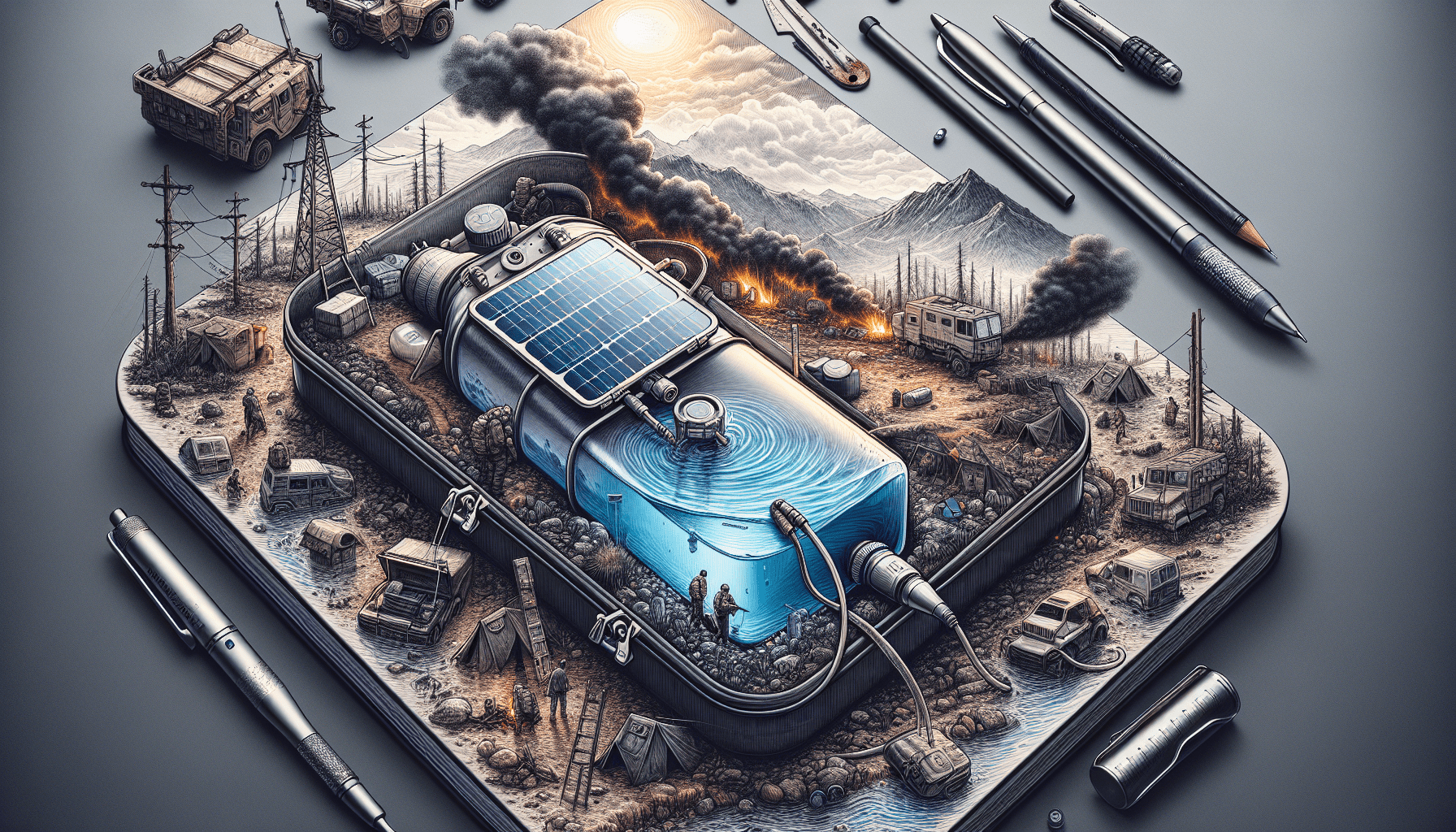
There have been numerous instances where the use of a compact solar still has played a significant role in saving lives during survival situations. Here are two real-life survival stories:
-
Desert Stranded: A couple traveling through a remote desert region experienced a vehicle breakdown, leaving them stranded without access to clean water. With temperatures soaring during the day and dropping drastically at night, their survival relied on their compact solar still. They managed to collect enough water daily to keep themselves hydrated until they were eventually rescued.
-
Hiking in the Wild: A group of hikers got lost in a densely wooded area with limited natural water sources. With their water supplies running dangerously low, they utilized their compact solar still to collect and purify water from nearby streams and rainwater. This allowed them to sustain themselves during their unplanned extended stay until they were located and safely brought back to civilization.
Testimonials and experiences
Many individuals who have utilized compact solar stills in survival situations have shared their positive experiences and testimonials. They have highlighted how the convenience, efficiency, and ease of use provided by these devices have been instrumental in their survival.
From adventurers exploring remote areas to survivors of natural disasters, compact solar stills have demonstrated their value in providing a reliable source of clean drinking water. Testimonials often underscore the peace of mind and sense of security that comes with knowing they have access to a vital resource in challenging situations.
Conclusion
In conclusion, a compact solar still is an invaluable tool for emergency water collection in survival situations. Its portability, ease of use, and efficiency make it a reliable and convenient solution for accessing safe drinking water when traditional sources are unavailable.
By selecting the right compact solar still for your needs, properly setting it up, and maximizing water collection, you can ensure a sustainable supply of water in emergency scenarios. Additionally, understanding alternative water collection methods, ensuring water safety and purification, and maintaining and storing the solar still properly will further enhance your chances of survival.
Remember, a compact solar still is not just a piece of equipment; it is a lifeline in challenging circumstances. Investing in a high-quality compact solar still and familiarizing yourself with its operation can potentially save lives and provide the peace of mind needed to overcome even the most dire survival situations.