

Can we trust a flint and steel fire starter to help us survive in the wild when all else fails? Let’s dive into the world of survival tools and discover the reliability of this classic fire-starting method.


The History of Flint and Steel Fire Starters
Let’s start by exploring the origins of flint and steel fire starters. These tools have been used for centuries by our ancestors to ignite fires for warmth, cooking, signaling, and protection. The simple yet effective design has stood the test of time, making it a valuable tool for survivalists and outdoor enthusiasts alike.
Flint and Steel Components
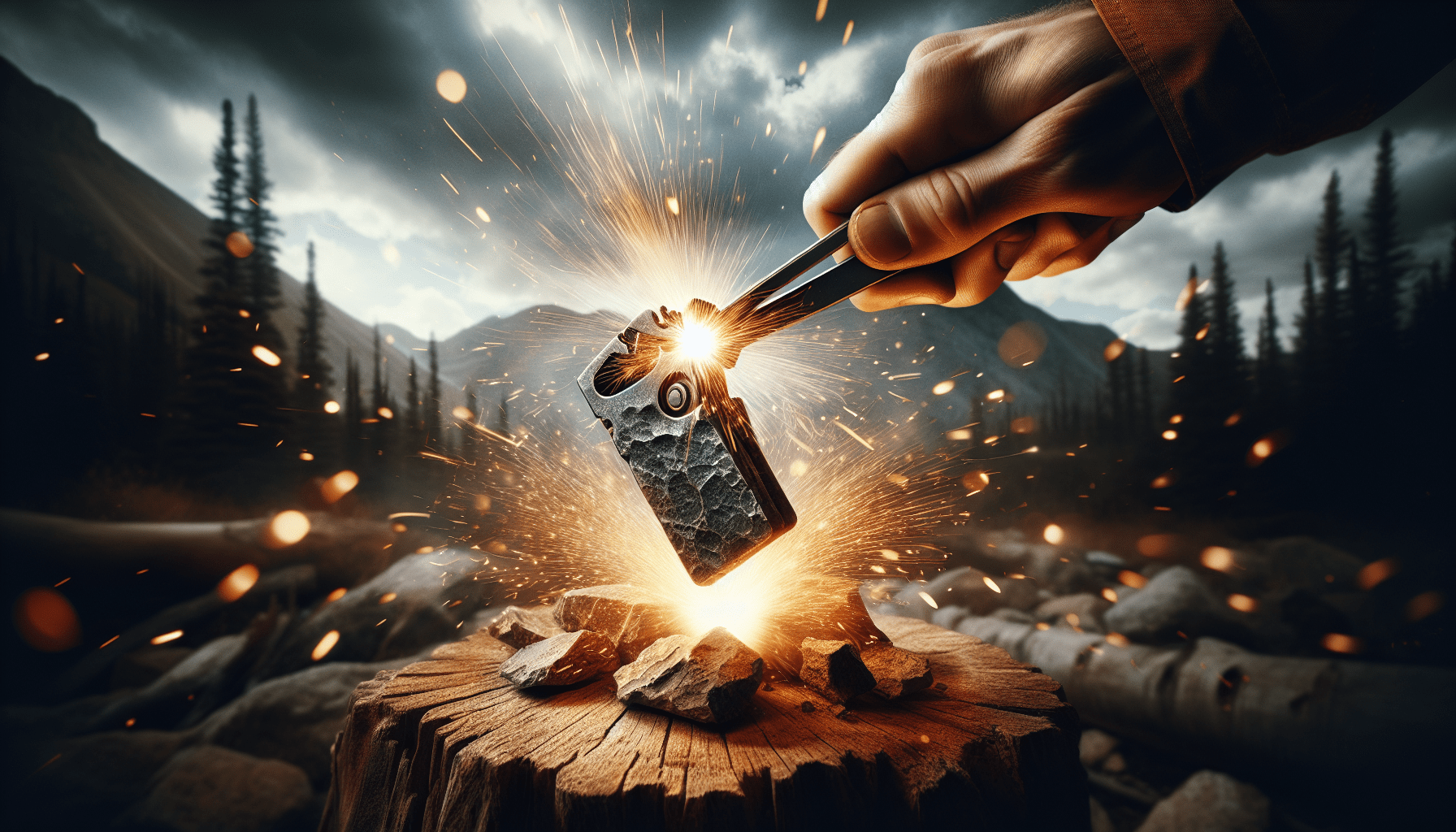
Flint and steel fire starters consist of two main components: a piece of flint rock and a high-carbon steel striker. When struck together, the steel creates sparks that ignite the flammable material, such as char cloth or tinder, to start a fire. The sparks produced by this method can reach temperatures of over 800 degrees Celsius, making it a reliable way to ignite a fire in various weather conditions.
Benefits of Using a Flint and Steel Fire Starter
Using a flint and steel fire starter offers several advantages in survival situations. Let’s explore some of the key benefits of this traditional fire-starting method.
Reliability
One of the main advantages of using a flint and steel fire starter is its reliability. Unlike matches or lighters that can run out of fuel or malfunction, a flint and steel set is a simple mechanical tool that does not require any external components to ignite a fire. As long as you have the flint and striker in good condition, you can rely on this method to start a fire whenever needed.
Durability
Flint and steel fire starters are known for their durability in harsh conditions. The steel striker is resistant to wear and tear, and the flint rock can produce thousands of sparks before needing replacement. This makes it a long-lasting survival tool that can withstand rough handling and extreme weather environments.
Lightweight and Compact
Another benefit of using a flint and steel fire starter is its lightweight and compact design. Unlike other fire-starting tools that may be bulky or require additional fuel, a flint and steel set can easily fit in your pocket or survival kit without adding extra weight. This makes it a convenient tool to carry with you on outdoor adventures or in emergency situations.

How to Use a Flint and Steel Fire Starter
Now that we’ve discussed the benefits of using a flint and steel fire starter, let’s dive into the step-by-step process of using this reliable tool to start a fire in the wild.
Step 1: Prepare Your Materials
Before using your flint and steel fire starter, gather the necessary materials for starting a fire. You will need a piece of flint rock, a steel striker, and some char cloth or tinder to catch the sparks and ignite the fire.
Step 2: Strike the Flint and Steel Together
Hold the flint rock in one hand and the steel striker in the other. Position the flint at an angle facing the char cloth or tinder, and strike the steel against the flint at a downward angle. The friction between the steel and flint will create sparks that should land on the char cloth or tinder, igniting it into a flame.
Step 3: Ignite Your Fire
Once you see sparks landing on the char cloth or tinder, gently blow on the ember to encourage the flame to spread. Add more tinder and small sticks to build up the fire gradually until it is strong enough to provide heat and light.
Step 4: Safely Extinguish the Fire
After using your flint and steel fire starter to ignite a fire, make sure to extinguish it safely once you no longer need it. Always have a water source or fire extinguishing tool on hand to put out the fire completely and prevent it from spreading.
Tips for Using a Flint and Steel Fire Starter in Survival Situations
While a flint and steel fire starter is a reliable tool for starting fires in the wild, there are some tips and techniques that can help improve your success rate and efficiency. Let’s explore some practical tips for using a flint and steel set in survival situations.
Choose the Right Flint and Steel Set
When selecting a flint and steel fire starter, choose high-quality materials that are designed for outdoor use. Look for a flint rock that produces a strong spark and a steel striker made of durable metal that can withstand repeated striking. Investing in a reliable set will ensure that you have a dependable fire-starting tool in critical situations.
Practice Makes Perfect
Before relying on a flint and steel fire starter in a survival scenario, take the time to practice using the tool in a controlled setting. Experiment with different angles and striking techniques to find the most effective way to create sparks and ignite the char cloth or tinder. The more familiar you are with your flint and steel set, the more confident you will be in using it when it counts.
Gather Dry Tinder and Kindling
To increase your chances of successfully starting a fire with a flint and steel set, gather dry tinder and kindling materials beforehand. Look for dead leaves, grass, bark, or small twigs that are dry and flammable to help you build a fire quickly once you have ignited the tinder with sparks from the flint and steel.
Use Char Cloth or Charred Material
Char cloth is a popular material used with flint and steel fire starters to catch sparks and ignite a fire. You can make char cloth by charring a piece of cotton fabric in a tin or metal container until it turns black and becomes flammable. Once you have char cloth prepared, use it with your flint and steel set to create an ember that will ignite the rest of your fire materials.

Common Mistakes to Avoid When Using a Flint and Steel Fire Starter
While flint and steel fire starters are reliable tools for starting fires in the wild, there are some common mistakes that can hinder your success. It’s important to be aware of these pitfalls and take precautions to avoid them when using a flint and steel set for survival situations.
Striking Too Harshly
One common mistake when using a flint and steel fire starter is striking too harshly or with too much force. This can cause the flint rock and steel striker to slip or break, reducing the effectiveness of creating sparks to ignite the tinder. Instead, strike the flint and steel with controlled and consistent pressure to produce sparks without damaging the materials.
Not Using Enough Tinder
Another mistake is not having enough tinder or kindling materials on hand to catch the sparks generated by the flint and steel set. Without sufficient flammable material, the sparks may land on non-combustible surfaces or be quickly extinguished, making it challenging to start a fire. Always gather an ample supply of dry tinder and kindling before attempting to use your flint and steel fire starter.
Ignoring Safety Precautions
When using a flint and steel fire starter, it’s essential to follow safety precautions to avoid accidents and injuries. Be mindful of your surroundings and ensure that you have a clear and safe area to start a fire. Keep flammable materials away from the ignition point, and have a fire extinguishing tool or water source nearby in case the fire spreads unexpectedly.
Alternative Fire-Starting Methods as Backup Options
While a flint and steel fire starter is a reliable tool for igniting fires in survival situations, it’s always a good idea to have backup options in case your primary method fails. Let’s explore some alternative fire-starting methods that you can use as backups when needed.
Ferro Rod
A ferro rod, also known as a ferrocerium rod or fire steel, is another popular fire-starting tool that produces hot sparks when struck against a rough surface. Similar to a flint and steel set, a ferro rod can ignite char cloth or tinder to start a fire in various conditions. Keep a ferro rod as a backup option in your survival kit for added reliability.
Fire Piston
A fire piston is a unique fire-starting device that uses the principle of rapid air compression to ignite tinder and create a flame. By quickly compressing and decompressing air in a sealed chamber, the fire piston generates enough heat to ignite char cloth or other flammable materials. While a fire piston may require more skill and practice to use, it can be an effective backup method for starting fires in the wild.
Solar Spark Lighter
In sunny conditions, a solar spark lighter can be a handy backup fire-starting tool that uses a parabolic mirror to focus sunlight onto a tinder bundle and create a flame. By harnessing solar energy to produce a concentrated beam of light, a solar spark lighter can ignite char cloth, dry grass, or other flammable materials without the need for sparks or flames. Keep a solar spark lighter in your survival kit as an alternative method for starting fires in sunny weather.
In Conclusion
In conclusion, a flint and steel fire starter is a reliable and durable tool for starting fires in survival situations. By understanding how to use this classic fire-starting method effectively and practicing with your flint and steel set, you can increase your confidence and preparedness for outdoor adventures and emergencies. Remember to follow safety precautions, gather dry tinder and kindling materials, and have alternative fire-starting methods as backups to ensure that you can start a fire when all else fails. With the right skills and tools at your disposal, you can rely on a flint and steel fire starter to help you survive and thrive in the wild.