
Does T Mobile And Verizon Use The Same Towers?

Introduction
Have you ever wondered if T-Mobile and Verizon use the same cell phone towers for their service coverage? In this article, we will explore whether these two major carriers share the same infrastructure or operate independently.
The Basics of Cell Phone Towers
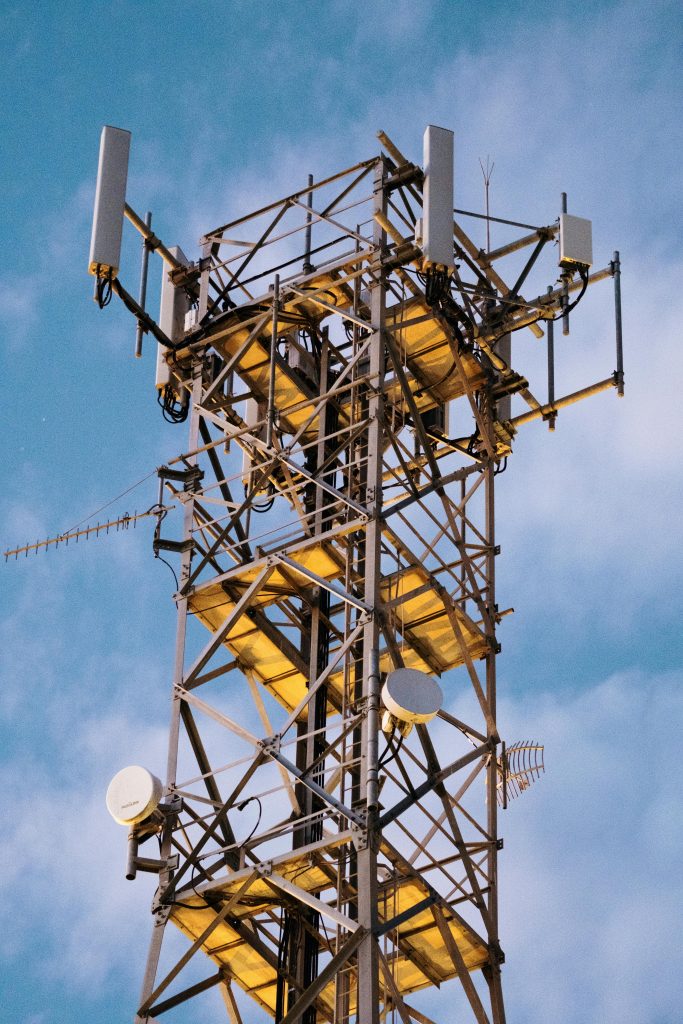
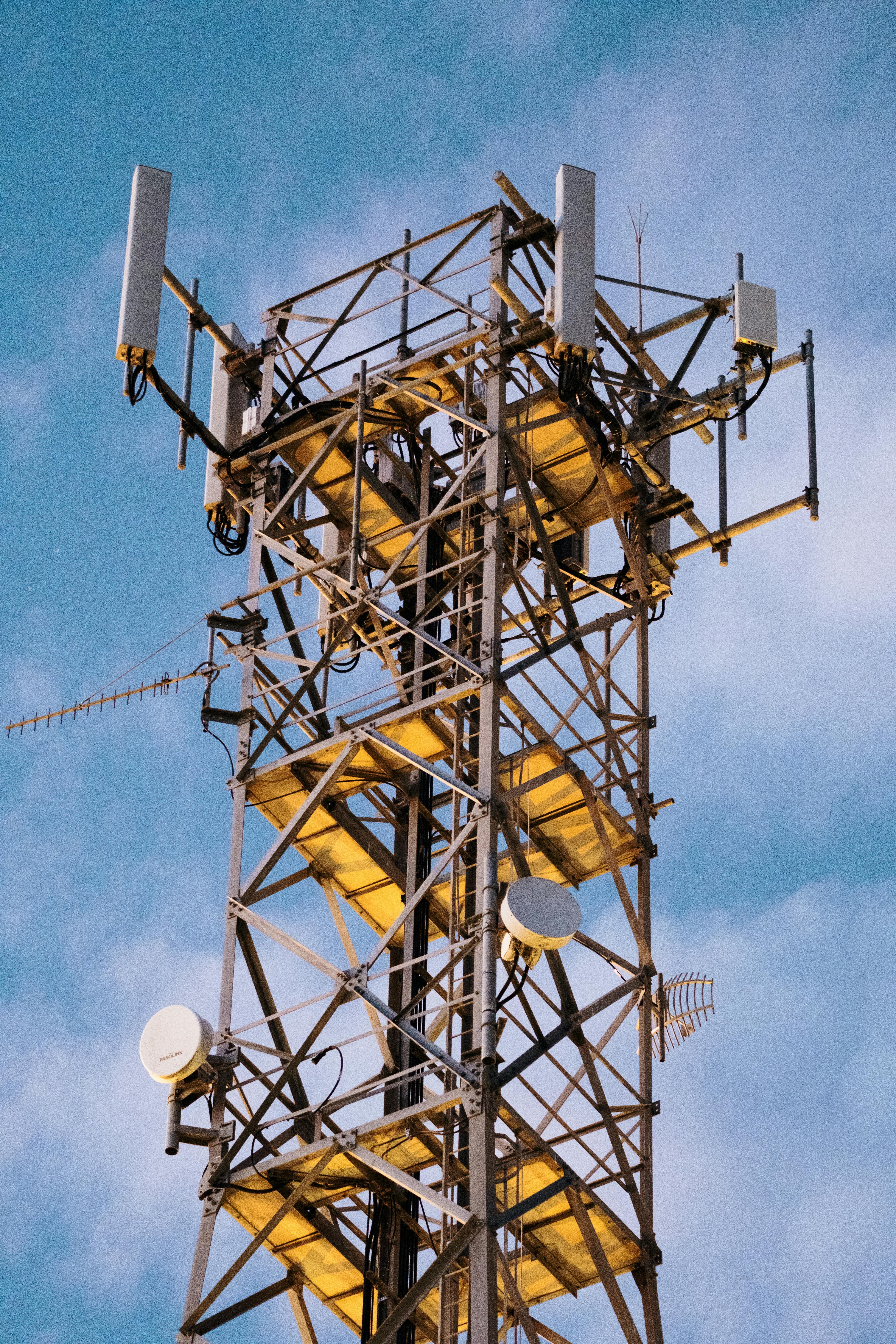
Before diving into the specific carriers, it’s essential to understand how cell phone towers work. Cell towers are erected structures that transmit and receive radio signals to enable communication between mobile devices. Each tower is equipped with antennas and other equipment to facilitate wireless communication over specific frequencies.
Shared Infrastructure in the Telecom Industry
In the telecommunications industry, it is common for multiple carriers to share cell phone towers and other network infrastructure. This practice, known as tower sharing or network sharing, allows companies to reduce costs, improve efficiency, and expand coverage more rapidly.
T-Mobile and Verizon: An Overview
T-Mobile and Verizon are two of the largest wireless carriers in the United States, known for their nationwide coverage and reliable service. While they are competitors in the market, they also collaborate in certain areas to enhance their network capabilities.
Network Infrastructure of T-Mobile and Verizon
To determine whether T-Mobile and Verizon use the same towers, it’s crucial to examine their network infrastructure and deployment strategies. Both companies have invested heavily in building out their networks to provide seamless coverage to their subscribers.
Tower Ownership
T-Mobile and Verizon each own and operate a vast network of cell phone towers across the country. These towers are strategically located to ensure optimal coverage and signal strength for their customers. While they have their own towers, the question remains whether they share infrastructure in certain locations.
Tower Sharing Agreements

In some cases, T-Mobile and Verizon have entered into tower sharing agreements to expand their coverage footprint and improve network performance. These agreements allow the carriers to co-locate their equipment on the same towers, reducing the need for duplicate infrastructure and streamlining operations.
Spectrum Allocation
Both T-Mobile and Verizon utilize different frequency bands, or spectrums, to transmit data and voice calls over their networks. While they may share towers, each carrier has its spectrum allocation for optimal performance and capacity. This ensures that the two networks do not interfere with each other’s signals and can operate efficiently in the same vicinity.
Coverage Maps and Tower Density
One way to assess whether T-Mobile and Verizon share the same towers is by examining their coverage maps and tower density in various regions. By comparing the network footprint of both carriers, we can gain insight into the extent of tower sharing and collaboration between them.
Coverage Maps
T-Mobile and Verizon provide detailed coverage maps on their websites, showing the areas where their service is available. By analyzing these maps, we can identify overlapping coverage zones and assess the likelihood of tower sharing between the two carriers. While some areas may have shared towers, others may be exclusively owned by one company.
Tower Density
Tower density refers to the number of cell phone towers in a given area, which directly impacts signal strength and network capacity. In areas where T-Mobile and Verizon have a high tower density, it is more likely that they share the same infrastructure to optimize coverage and performance. Conversely, in rural or remote areas, the carriers may have separate towers to serve their respective customer base.
Customer Experience and Service Quality
Whether T-Mobile and Verizon use the same towers ultimately affects the customer experience and service quality provided by both carriers. Understanding the implications of tower sharing on network reliability and performance is essential for consumers in choosing the right wireless provider.
Signal Strength and Coverage
By sharing towers, T-Mobile and Verizon can enhance their signal strength and expand coverage in areas where they would not have been able to reach independently. This benefits customers by ensuring more reliable connectivity and fewer dropped calls, especially in rural or underserved areas.
Network Redundancy and Resilience
Tower sharing also improves network redundancy and resilience, as carriers can rely on each other’s infrastructure in case of outages or disruptions. By leveraging shared towers, T-Mobile and Verizon can maintain service continuity and minimize downtime for their subscribers, enhancing overall network reliability.
Service Performance and Speed
The use of shared towers by T-Mobile and Verizon can impact service performance and speed for customers using their networks. By optimizing tower locations and sharing resources, both carriers can deliver faster data speeds and lower latency, resulting in a better overall user experience for their subscribers.
Conclusion
In conclusion, T-Mobile and Verizon do utilize tower sharing agreements in certain locations to enhance their network coverage and performance. While they each have their network infrastructure and equipment, collaborating on tower sharing allows them to provide better service to their customers and improve network reliability. By understanding how these two carriers work together to optimize their networks, consumers can make informed decisions when choosing a wireless provider for their mobile communication needs.